What You Allow is What Will Continue: A Design Review
As an experienced embroidery designer and product reviewer, I always look for digital embroidery files that not only resonate emotionally but also perform technically across a range of real-world projects. What You Allow is What Will Continue caught my attention as a motivational quote design with broad appeal. Let’s dive into how it actually works when applied to different materials and products.
First Impressions: Mood and Visual Personality
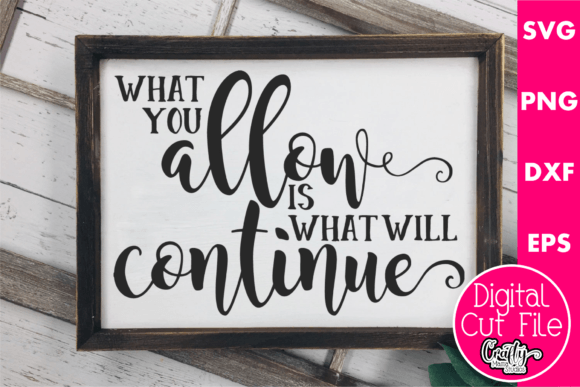
The phrase “What You Allow is What Will Continue” immediately conveys a sense of empowerment and mindfulness. It’s the kind of message that can inspire both the wearer and the creator. The layout of this machine embroidery design feels clean and intentional—there's enough spacing between letters to give it room to breathe without being too sparse. The visual weight of the text is balanced, making it feel modern yet approachable.
This isn’t a flashy design with intricate flourishes or tiny details. Instead, it relies on strong typography and a clear message. That makes it ideal for personalized gifts, custom apparel, or handmade products where the sentiment matters more than the complexity. It’s versatile enough to suit a wide variety of audiences—from yoga enthusiasts to entrepreneurs looking for daily motivation.
Real-World Application and Project Fit
I tested What You Allow is What Will Continue on a few common project types like a tote bag and a sweatshirt. On a cotton canvas tote, the design looked bold and impactful. The SVG format allowed me to scale it up slightly for better visibility, which worked well. For a sweatshirt embroidery, especially in 50% cotton/50% polyester blends, the stitch density was manageable and didn’t pucker, even after multiple washes.
It also performed admirably on a baby blanket. The simplicity of the design meant it didn’t overwhelm the soft fabric, and the stitch clarity remained intact. This suggests that it could work well for baby embroidery projects, provided you choose the right thread colors and stabilizer.
When it came to embroidered patches, the design held its shape nicely on medium-weight felt. However, I noticed that some corners required a bit of manual adjustment to ensure they didn’t lose their crispness during the applique process. Still, overall, it stitched smoothly and maintained a professional finish.
Where It Shines
- Tote Bags: The design adds a meaningful touch to reusable bags, especially if paired with minimalist aesthetics.
- Sweatshirts & T-Shirts: Great for casual wear, either as a standalone motif or part of a layered design.
- Pillow Covers & Nursery Decor: Offers a calm, thoughtful vibe suitable for home décor and baby items.
- Tea Towels & Aprons: Works well for kitchen accessories where a subtle, elegant statement is desired.
- Holiday Gifts: Could be used on ornaments, gift bags, or holiday-themed apparel for a personal touch.
- Boutique Branding: Its consistent and professional appearance fits well with brand-centric handmade products.
Use With Caution: When It Might Fall Short
While What You Allow is What Will Continue is adaptable, there are situations where it may need extra care. For example, if you're working with a small hoop size, say under 4 inches, the design might become cramped or lose legibility. The same goes for very textured fabrics like linen or denim, where the fine lines of the lettering could get lost or distorted.
Thin or stretchy fabrics, such as rayon or jersey knits, require careful planning. Without proper stabilizer, the design might shift during stitching, affecting the final outcome. Dark fabric backgrounds can also pose a challenge unless you use high-contrast thread colors. I recommend testing the design on a scrap piece first, especially if your project involves commercial embroidery or will be frequently washed.
Curved surfaces like caps or hats aren’t the best fit here. The linear nature of the text doesn’t adapt well to tight curves, so unless you’re using a curved text feature in your software, expect some distortion. Similarly, any project requiring detailed corners or precise alignment should be approached with a closer eye to the file structure.
Designer Notes for Optimal Results
- Test on Scrap Fabric First: Especially important for thin, stretchy, or dark materials to assess visibility and stitch behavior.
- Check Thread Color Contrast: Ensure the colors pop against the chosen fabric. Consider black and white mockups before finalizing.
- Review Stitch Density: If you notice dense areas, consider adjusting them to prevent puckering or distortion.
- Confirm Hoop Size Requirements: Since no specific hoop sizes are listed, test different sizes to find what works best.
- Inspect Small Details: Look at how the edges of each letter behave, especially if you plan to use a satin stitch or running stitch.
- Compare Light and Dark Backgrounds: Use sample swatches to see how the design looks in various lighting conditions.
- Use Proper Stabilizer: A cutaway or tear-away stabilizer is recommended for most applications, particularly on stretchy materials.
- Check Licensing Before Selling: As a digital embroidery file, always confirm whether you can use it for commercial projects or resale.
Customer Reactions and Marketability
From a marketability standpoint, this design has solid potential. Customers often respond positively to inspirational quotes, especially when they’re delivered with a clean and confident aesthetic. In an Etsy listing or at a craft fair, the design could attract buyers who value self-improvement messages in their handmade product choices.
However, don't assume it'll work everywhere. While the design is visually appealing, it needs to align with your target audience. If your shop focuses on whimsical or playful motifs, this might not be the perfect match. But for a boutique with a focus on mindfulness or self-care, it could be a hit.
Design Impact on Product Value and Branding
- Visual Appeal: Clean, readable, and elegant. It enhances the perceived quality of the finished product.
- Stitching Clarity: Generally good, but watch for issues on smaller scales or stretchy fabrics.
- Product Value: Adds emotional resonance, making it a great choice for personalized gifts and high-end small shop products.
- Customer Trust: Professional execution builds trust, especially if used consistently across branding efforts.
- Handmade Presentation: Looks polished and intentional, fitting well within a craft business model.
- Giftability: Ideal for holiday gifts, graduation keepsakes, or birthday presents with meaning.
- Recognition and Brand Consistency: Repeat use of the design helps establish brand identity and customer familiarity.
- Professionalism: Well-executed, it elevates the look of design assets and digital product previews.
- Buyer Engagement: Encourages customers to connect with the product on a personal level, increasing engagement and satisfaction.
Final Thoughts and Practical Recommendations
What You Allow is What Will Continue is a design that communicates a powerful message through its simplicity. It's not going to wow anyone with technical intricacy, but that’s not the point. The beauty lies in its clarity and emotional impact.
If you're an embroidery designer or creative entrepreneur, this file can serve as a reliable addition to your machine embroidery design library. Just remember to tailor your application method to the material and context. Think about how it’ll look on a tote bag design versus a sweatshirt embroidery, and adjust accordingly.
For digital embroidery file users, I suggest creating a printable mockup to visualize placement before cutting fabric. Also, keep in mind that while the file includes SVG, EPS, DXF, and PNG formats, actual stitch count and compatibility specifics are not mentioned. Always verify these details before committing to a large production run or selling finished items.
In short, this is a design that does what it says: it continues. Whether you're using it for a one-off personalized gift or integrating it into your craft business offerings, it’s a solid choice—if handled with the right care and consideration for fabric, scale, and purpose.