I Whisper Wtf to Myself Like 20 Times Embroidery Design Review
As an experienced embroidery designer and product reviewer, I’ve tested countless digital designs for real-world use. The I Whisper Wtf to Myself Like 20 Times embroidery design is one of those files that immediately catches the eye with its bold personality and clever phrasing. It’s not just a graphic; it's a statement piece that could work well across multiple crafts and graphics-based projects if used thoughtfully.
First Impressions: Mood, Layout, and Visual Personality
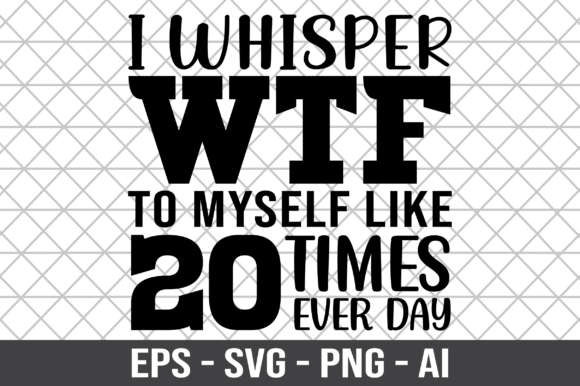
Opening up the digital file—whether in AI, EPS, SVG, or the included transparent PNG—I was struck by how expressive the text feels. The phrase “I Whisper Wtf to Myself Like 20 Times” has a humorous, self-aware vibe that resonates especially well with younger audiences, creative types, and anyone who’s had a long day of problem-solving. The layout is straightforward but stylized enough to stand out without being overwhelming. It uses a combination of clean lettering and subtle visual elements that suggest movement or thought bubbles, making it feel like more than just words on fabric.
Visually, the design doesn’t lean into overly intricate details, which is a plus for machine embroidery. It maintains a balance between charm and simplicity. This makes it versatile for both casual and semi-professional projects. The transparent PNG gives a good idea of how the design will look when stitched, especially for digital product sellers who need mockups for online listings.
Best Fit Projects
This design naturally fits into custom apparel and handmade products aimed at individuals looking to express their inner monologue in a fun way. I can see it working beautifully on a sweatshirt embroidery, a tote bag design, or even as an embroidered patch for denim jackets. For holiday gifts, it adds a quirky twist to personalized items like aprons or baby clothes, where humor and relatability are key selling points.
Its tone also suits small shop products and Etsy listings. Think about trendy cap embroidery or a nursery decor item for a new parent who’s navigating the chaos of parenthood. It’s a great fit for boutique branding too—especially if you’re aiming for a laid-back, artistic vibe.
Real-World Performance in Embroidery Projects
When considering how this design would perform in actual stitching, I focused on a few key scenarios. Let’s say I’m preparing a custom embroidered tote bag for a client. The design needs to be legible from a distance while maintaining its playful essence. In this case, the stitch density and thread colors become crucial factors.
The design handles fill stitch and satin stitch areas quite well, especially in larger formats. The letters have enough width to support smooth satin stitches, and the background elements (if any) don’t require overly dense fill patterns. That said, if you're using a dark fabric, you’ll need to choose thread colors carefully to ensure visibility. The transparent PNG helps here, allowing you to simulate different color schemes before finalizing your choice.
For holiday embroidery or personalized gifts, the design’s wit and clarity help boost buyer engagement. When applied to a pillow cover or kitchen towel, it brings a touch of personality without being too loud. The digital embroidery file format allows for easy resizing, so you can adapt it for smaller items like patches or larger pieces such as blankets.
Where Caution Is Needed
While the design has potential, there are certain situations where it might not perform as expected. If you plan to use it in a small hoop size, you may lose some of the visual impact due to the limited space for the full phrase. Also, the corners and curves of the text might get distorted if the hoop isn’t large enough to accommodate the entire shape without stretching.
On textured fabrics like canvas or linen, the design holds up pretty well, but thin or stretchy materials might cause issues with stitch integrity. You’ll want to use proper stabilizer to avoid puckering or misalignment during the stitching process. Similarly, if you’re embroidering onto curved surfaces like caps or hats, the flat layout might not translate perfectly unless you adjust the design to follow the contours.
Because the design includes small details and potentially delicate elements, testing it on scrap fabric first is a must. You’ll want to confirm whether all parts of the design remain intact after washing, especially if it's going into commercial use. Dense stitch areas near the edges of the text should be inspected closely to prevent fraying or distortion.
Design Impact on Product Value and Customer Trust
What I love most about this design is how it enhances the visual appeal of a finished product. Whether it's on a tote bag or a sweatshirt, it adds a layer of storytelling and emotion that handmade products often thrive on. Customers appreciate designs that feel authentic and speak to their experiences, and this one definitely does that.
From a professional standpoint, the design contributes to product value and brand consistency. If your craft business focuses on relatable, humorous content, this could be a standout addition to your line. However, it’s important to note that it’s best suited for personal expression rather than formal or corporate branding. Still, for craft fairs or holiday gift markets, it can increase giftability and recognition among buyers.
One thing to keep in mind is that the design’s informal tone might not align with every brand identity. If you're targeting a more mature or professional audience, consider pairing it with other elements or using it subtly in corners or along seams. But for the right niche—like young professionals, creatives, or parents—it can elevate the emotional connection with the finished product.
Practical Designer Notes
- Test on scrap fabric first: Especially if you're planning to scale it down for patches or caps.
- Check thread color contrast: Use the transparent PNG to simulate how the design looks on both light and dark backgrounds.
- Review stitch density: Make sure fill stitches aren't too tight, which can lead to fabric damage over time.
- Confirm hoop size compatibility based on your project’s dimensions.
- Inspect small details: Ensure they hold up after several washes, especially if it’s for baby items or daily-use products.
- Use a suitable stabilizer: Particularly on stretchy or lightweight fabrics to maintain stitch quality.
- Test in black and white mockups: To evaluate how it stands out without color influence.
- Consider the commercial embroidery implications: Confirm licensing terms if you're planning to sell the finished product or digital assets.
Final Thoughts for Crafters and Digital Sellers
In short, the I Whisper Wtf to Myself Like 20 Times design is a strong contender for a variety of machine embroidery projects. Its visual clarity and thematic versatility make it a valuable asset for both hobbyists and creative entrepreneurs. Just remember to match it with the right type of garment or accessory, and always test it before committing to a large batch.
If you're an Embroidery designer or apparel decorator, this file offers a solid foundation for customization. As an Embroidery product reviewer, I recommend it for handmade shop owners who want to add character to their offerings. It’s a design that invites conversation and can become a memorable part of your design assets collection.
Just be mindful of fabric limitations and hoop requirements. With the right preparation and attention to detail, this design can become a staple in your next round of personalized gifts or small shop merchandise. And for digital product sellers, the included vector formats and transparent PNG open up opportunities for high-quality printable mockups and attractive previews.