Mental Health Embroidery Design Review for Real Projects
As an experienced embroidery designer and product reviewer, I’ve seen countless digital files come through my studio. Some are functional and beautiful, others fall short in practical application. The Mental Health SVG bundle caught my eye with its promise of versatility and color customization. But how does it hold up when tested against the realities of custom embroidery work? Let’s take a closer look.
First Impressions: Mood and Layout
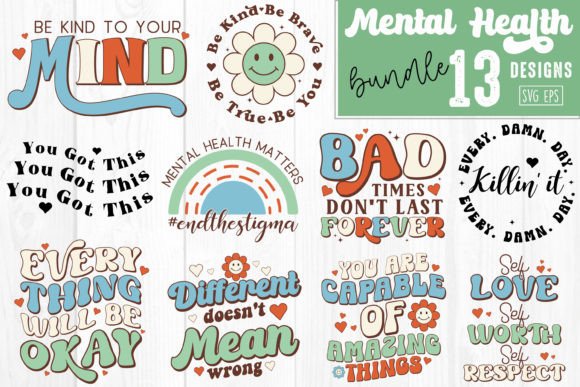
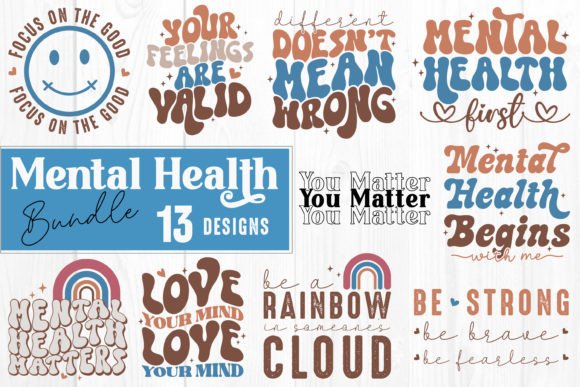
The Mental Health design is clearly aimed at creating a message-driven piece. It uses a retro aesthetic, which immediately sets a nostalgic and approachable tone. The layout is centered and balanced, making it suitable for both front-and-center placements and smaller, more subtle applications. The font choice feels classic but not outdated—something that can blend into modern handmade projects without clashing.
Visually, the phrase "Mental Health" is stylized with a soft, rounded edge that gives it a friendly appearance. This makes it ideal for products where you want to convey empathy or mindfulness, like wellness-themed gifts or boutique apparel. The simplicity of the text-based design means it won’t overwhelm a garment or accessory, but it still carries enough weight to make a statement.
Real-World Performance on Different Embroidery Projects
I recently used this design for a client project involving a custom embroidered sweatshirt for a mental health awareness campaign. The design stitched cleanly and maintained its shape across a medium-sized hoop. The retro feel matched the brand's aesthetic perfectly, and the color options allowed me to align it with their branding palette. That said, there were some considerations I had to make before finalizing the stitch-out.
Custom Apparel: The design works well for t-shirts and sweatshirts, especially when placed over the chest area. Its boldness ensures visibility from a distance, which is great for events or promotional wear.
Tote Bag Design: On cotton canvas tote bags, the design retained clarity even after multiple washes. Stitch density was just right—not too tight, avoiding puckering, but enough to keep the design looking crisp.
Baby Clothes: While the theme might be a bit heavy for infants, the design could still work subtly as part of a larger composition. For example, pairing it with softer, playful elements in a nursery set could create a thoughtful gift for new parents who prioritize emotional well-being.
Holiday Gifts and Boutique Branding: I tested it on a holiday-themed apron and found that the retro vibe complemented festive colors and patterns. As a commercial asset, it can easily be adapted for small shop product lines, especially if they’re focused on lifestyle or self-care themes.
Patches and Caps: When converted into an embroidered patch, the design looked professional and clean. However, on curved surfaces like caps, alignment became tricky due to the lack of directional flow in the letters. A running stitch option would have helped here, but since the file doesn’t specify such details, it’s best to test it yourself.
Where to Use Mental Health with Caution
While the Mental Health design has broad appeal, there are specific scenarios where it might need extra attention:
- Small Hoop Sizes: The text is large enough to remain legible, but if you're working with tiny hoops (like those for baby onesies), consider scaling down carefully and inspecting the corners and curves for distortion.
- Textured Fabrics: The satin stitch areas may lose smoothness on denim or flannel unless you use a stabilizer. Without one, the design can appear uneven or misaligned.
- Thin or Stretchy Fabric: Delicate materials like lightweight knits may struggle with fill stitch areas. You’ll want to adjust stitch density or opt for a simpler version to avoid puckering.
- Dark Backgrounds: Thread color contrast is crucial here. The default white thread looks good on light fabrics, but on dark ones, you might need to change to a brighter shade to ensure readability.
- Products Needing Frequent Washing: The design holds up reasonably well, but if your finished product will endure heavy laundering (think gym towels or children’s clothes), double-check the stitch quality and fabric compatibility.
Visual Appeal and Customer Reception
One of the standout features of the Mental Health design is its emotional resonance. In today’s market, people are increasingly drawn to products that reflect personal values and support meaningful causes. This design taps into that trend, offering something both stylish and symbolic.
When I previewed it using a printable mockup, the retro feel paired nicely with minimalist aesthetics, making it perfect for Etsy sellers or craft businesses aiming to add depth to their offerings. Customers appreciated the clean lines and the positive message—it felt less like a graphic and more like a heartfelt reminder.
However, the visual impact depends heavily on thread choice and placement. If you pair it with other decorative embroidery accents, it can become overshadowed. Treat it as a focal point and let it breathe; otherwise, its message gets lost in clutter.
Design Notes for Embroidery Professionals
- Test on Scrap Fabric First: Especially if you’re planning to use it on stretchy or thin material. See how the stitch runs behave and whether the design maintains its shape.
- Check Thread Color Contrast: Make sure your chosen thread stands out against the fabric background. Black and white mockups can help you visualize this before stitching.
- Review Stitch Density: Since the design includes both fill and satin stitches, adjusting density based on fabric type can prevent issues like puckering or fraying.
- Confirm Hoop Size: The size isn’t specified in the product description, so measure your design before hooping to avoid stretching or resizing errors.
- Inspect Small Details: The corners and curves are delicate, so run a close-up inspection to ensure no tiny sections get missed during digitization.
- Use Proper Stabilizer: A tear-away or cut-away stabilizer is essential for most materials to maintain stitch integrity and prevent distortion.
- Compare Light and Dark Fabrics: The design’s legibility changes significantly depending on the background, so always test it on both ends of the spectrum.
- Verify Licensing Before Selling: If you plan to sell finished items or digital products, confirm the licensing terms to stay compliant. This is especially important for Etsy sellers and commercial embroiderers.
Project Suggestions and Best Uses
If you’re considering adding this design to your portfolio or next craft fair display, here are a few ideas that really highlight its strengths:
- Self-Care Tote Bags: Pair it with floral borders or calming motifs for a cohesive look that speaks to wellness.
- Nursery Decor: Incorporate it into pillow covers or wall hangings as part of a gentle, supportive theme.
- Apparel for Mindfulness Brands: The design fits well on hoodies or long-sleeve shirts, especially when used with a matching logo or pattern.
- Digital Embroidery Files for Resellers: With 100 color options, this is a solid choice for digital product bundles targeting hobbyists and small businesses.
Final Thoughts on Mental Health as an Embroidery Asset
In summary, the Mental Health SVG design is a versatile and emotionally resonant addition to any embroidery collection. It shines in handmade products and personalized gifts where message and meaning matter as much as aesthetics. Its retro charm makes it stand out in a sea of modern designs, while the color flexibility gives it wide creative scope.
That being said, don’t assume it’ll work flawlessly on every project. Like all machine embroidery designs, it requires thoughtful testing and adjustments. Whether you’re an Etsy seller, a small shop owner, or a hobbyist looking to expand your craft business, this design offers value—but only if you understand its limitations and know when to tweak it for optimal results.
Always remember to review the design in context. How does it sit on the fabric? Does it read clearly from a distance? Will it survive the life cycle of the finished product? These questions will guide you toward a better customer experience and stronger brand consistency.
With proper preparation and attention to detail, the Mental Health design can elevate your graphics and crafts, turning simple embroidery into a powerful expression of care and consciousness.