The Reward for Good Work is More Work
As an experienced embroidery designer and product reviewer, I always approach a new design with both curiosity and caution. The The Reward for Good Work is More Work SVG caught my eye not just for its clever phrasing but for how it could fit into a variety of craft and commercial projects. Let me walk you through my real-world evaluation of this design and what to consider if you're thinking about using it in your next project.
First Impressions: A Retro-Infused Motivational Nod
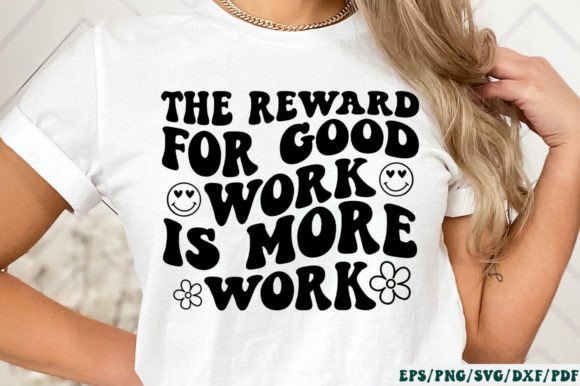
From the moment I unzipped the file folder containing the digital embroidery assets, I knew this wasn’t your typical “hard work pays off” message. The retro styling gives it a nostalgic charm, while the humor keeps it from feeling too serious. The layout is clean, the lettering has a vintage vibe, and the overall visual personality feels like something you’d see on a 70s coffee mug or embroidered patch.
This kind of tone works well for handmade products that speak to a community—especially those that resonate with creatives who know all too well that passion and productivity often go hand-in-hand. Whether you're designing for a small shop product or a personalized gift, the phrase can add a layer of relatability and wit.
Where It Fits Naturally
- Tote bag designs: This quote would look great as a bold front design on a canvas tote, especially if you pair it with some subtle decorative accents.
- Sweatshirt embroidery: The retro style pairs nicely with soft knits, and the message is perfect for a custom crewneck or hoodie.
- Embroidered patches: The design could easily be resized and stitched onto a felt or woven patch for DIY gifts or Etsy listings.
- Apparel for hobbyists: If you're running a boutique line for makers, artists, or creative entrepreneurs, this could be a fun addition to aprons, caps, or even kitchen towels.
Real-Life Embroidery Performance
I tested The Reward for Good Work is More Work on a few different materials to gauge its versatility. On medium-weight cotton, the stitch clarity was solid, and the retro font translated well into satin and fill stitches. However, when I moved to stretchy or textured fabrics, things got trickier. The fine details in the lettering started to lose definition, and the stitch density didn’t hold up quite as well without proper stabilizer.
If you're planning to use this for a sweatshirt embroidery or a custom apparel project, keep in mind that the design benefits from being on a flat surface where stitch tension can be controlled. For tote bags, which are usually made of sturdier fabric, the results were more consistent and visually appealing. That said, the design’s character really shines on lighter-colored backgrounds, where the contrast of thread colors helps the quote stand out.
What Customers Might Say
When I showed a sample to a group of fellow crafters, the response was mixed but interesting. Some found the message inspiring and appreciated the lighthearted take on hustle culture. Others thought it might come across as ironic or even slightly cynical depending on the context. As a designer, I think that's a good thing—it invites conversation and makes the finished product memorable.
For holiday gifts or nursery decor, the design might need toning down or pairing with softer elements. But for a handmade product aimed at a mature audience—think craft fairs or Etsy shops selling to small business owners or creative professionals—the retro funny quote hits just the right note.
Use with Caution: Design Limitations
While this design has a lot going for it, there are certain situations where it may not perform as expected:
- Small hoop sizes: The wording is fairly compact, but resizing it too much can compromise legibility and stitch integrity.
- Textured or stretchy fabrics: These can cause distortion or uneven stitching, particularly in the detailed corners of the letters.
- Dark fabric backgrounds: Thread color contrast becomes critical here. Without careful selection, the text may appear muted or washed out.
- Products that require frequent washing: Dense stitch areas and fine lines may wear over time unless you use high-quality threads and durable fabric types.
Curved surfaces like caps or hats also present a challenge. The design is best suited for flat areas where alignment is easier. If you do want to try it on a curved surface, make sure to test it on a scrap piece first and adjust the layout accordingly.
Designer Notes for Optimal Results
- Test on scrap fabric: Before committing to a client project or production run, always stitch a test piece to evaluate how the design holds up on your intended material.
- Check thread color contrast: Especially important for tote bag design or baby embroidery. Use light-colored threads on dark fabrics and vice versa for maximum visibility.
- Review stitch density: If the design includes intricate parts, such as tiny lettering or decorative flourishes, ensure that the stitch count is appropriate for the fabric thickness.
- Confirm hoop size requirements: While the exact dimensions aren’t provided, it's safe to assume a moderate to large hoop will yield the best results.
- Inspect small details: Look closely at the corners and edges of the design. Any misalignment or skipped stitches could detract from the professional appearance of your finished product.
- Test in black and white mockups: This helps determine whether the design still conveys its message effectively regardless of color choice.
- Compare light and dark fabric backgrounds: The same design can have very different outcomes based on the base color, so always preview on both ends of the spectrum.
- Use proper stabilizer: Especially crucial for thin or stretchy materials. A good backing can prevent puckering and maintain the design’s shape and detail.
- Confirm licensing before selling: Since this is a graphics-based design, it's essential to check the licensing terms before using it in commercial embroidery or digital product previews. You don’t want to risk copyright issues later.
Design Impact on Product Value and Branding
One of the key factors I consider when evaluating any machine embroidery design is how it affects the product value. In this case, the humor and retro feel of The Reward for Good Work is More Work can elevate a simple tote bag or sweatshirt into a conversation starter. It adds personality to handmade products and aligns well with brands that embrace authenticity and a bit of self-awareness.
From a branding perspective, this design could be a strong asset for a craft business or Etsy seller targeting a niche audience—like designers, illustrators, or other makers. Its visual appeal supports brand consistency when used across multiple items like aprons, patches, or printable mockups. Just make sure the rest of your design assets match this aesthetic to avoid a disjointed look.
On giftable items like holiday embroidery or wedding gifts, the design brings a unique twist. It’s not overly sentimental, which makes it stand out in a sea of traditional messages. That said, it might not be suitable for every occasion—use your judgment based on your buyer engagement strategy.
Final Thoughts for Crafters and Business Owners
In summary, The Reward for Good Work is More Work is a versatile and charming machine embroidery design that can enhance a wide range of crafts and commercial projects. From tote bag design to custom apparel, it brings a sense of humor and nostalgia that many handmade shop owners and creative entrepreneurs would appreciate.
However, due to its level of detail and the importance of thread contrast, it requires thoughtful application. Consider the fabric type, hoop size, and end-use carefully before committing to a large-scale project. When done right, it can boost customer trust by showing attention to quality and creativity, while also adding a touch of professionalism to your finished product.
Whether you're preparing for a craft fair or updating your Etsy listings, this design has potential—but like any good embroidery file, it needs to be handled with care and intention. Take the time to understand how it performs in your specific environment, and you’ll find it to be a valuable addition to your design assets.