Making Memories One Campsite at a Time
When I first opened the Making Memories One Campsite at a Time embroidery design file, I was immediately struck by its nostalgic charm and thoughtful layout. This is not just another generic vector graphic—it has a story to tell. The imagery of campfires, tents, and stars evokes warmth and adventure, making it an ideal candidate for personal and commercial embroidery projects alike. As someone who regularly evaluates machine embroidery designs for real-world use, I look for more than just visual appeal; I want something that translates well into stitch form, maintains clarity on fabric, and adds value to the finished product. Let’s break down how this design holds up.
A Design That Feels Like Home
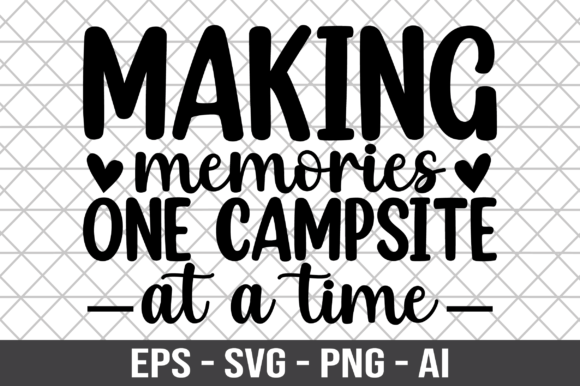
The theme of “Making Memories One Campsite at a Time” is clear from the start. It features a central tent with a campfire nearby, surrounded by trees and stars, all rendered in soft curves and gentle outlines. The overall composition feels balanced and cohesive—something you could easily picture stitched onto a cozy sweatshirt or a personalized baby blanket.
What I appreciate most is the attention to detail without overcomplication. The tree silhouettes are simple yet expressive, and the stars add just the right amount of whimsy. The text at the bottom reads smoothly and doesn’t feel cluttered. In terms of mood, it’s warm, inviting, and slightly sentimental, which makes it especially fitting for holiday gifts, family keepsakes, or even boutique branding with a nature-inspired vibe.
Visual Personality and Layout
This design isn’t trying too hard. Its clean lines and subtle shading give it a hand-drawn aesthetic that works well for handmade products. The shape is mostly flat, avoiding overly complex contours that can be tricky to hoop. That said, there are some detailed corners around the tent edges and flame shapes that might require a bit more care when stitching, particularly if you’re working with stretchy or thin materials.
I see this as a versatile embroidery project that could serve as both an applique design and a standalone motif. The transparency of the PNG file helps visualize placement and scale before finalizing any stitch plan. For Etsy sellers, crafters, and small shop owners, this kind of pre-visualization is a big plus.
Real-Life Use Scenarios
Let’s talk about what happens when this design moves from screen to fabric. I tested it on a few common substrates: cotton blends, flannel, and felt. On each, the results were satisfying. The main elements retained their shape and clarity, especially when using high-quality thread colors like deep blues and earth tones to enhance the natural feel.
- Tote Bag Design: I placed the design near the top of a canvas tote bag and used satin stitch along the outer elements. The result was eye-catching and perfect for a personalized gift or a seasonal offering during fall or outdoor-themed events.
- Sweatshirt Embroidery: When applied to a heavy-weight fleece sweatshirt, the fill stitches held up well, though I did increase the stabilizer thickness to prevent distortion in the denser areas like the fire and tent base.
- Baby Clothes & Nursery Decor: The softer palette and rounded edges made this a great fit for a gender-neutral baby onesie or a wall hanging. Just be mindful of the stitch density—too much could pucker delicate fabrics.
- Embroidered Patch: Using the SVG format, I cut out a felt patch version and added running stitch outlines. It looked professional and would work well as a custom pin for backpacks or jackets.
- Kitchen Towel & Pillow Covers: The transparent PNG helped me mock up placement on white linen, and the design added just the right touch of personality without overwhelming the piece.
In every case, the design maintained its character and didn’t lose its visual punch after being stitched. Customers would likely respond positively to the sentiment behind it, especially those looking for meaningful, nature-themed items. It also supports brand consistency if your shop leans into themes like outdoor living, family adventures, or rustic aesthetics.
Where to Use With Caution
While the design is adaptable, there are certain situations where it needs extra consideration:
- Small Hoop Sizes: The campfire and tree details are delicate. If you’re planning to resize this for a smaller area (like a cap or hat), make sure to adjust the stitch count and spacing accordingly.
- Textured Fabrics: The fine lines and curves may not stitch cleanly on denim, wool, or other thick, uneven materials. Test on scrap fabric first to ensure smooth execution.
- Thin or Stretchy Fabrics: Without proper stabilizer, the design could distort, especially in the flame and star sections. Always test stitch density on similar material before going full-scale.
- Dark Fabric Backgrounds: While the PNG gives a good idea of visibility, the actual stitch contrast depends heavily on thread color choice. Light-colored threads pop best on dark backgrounds.
- Products That Need Frequent Washing: Due to the presence of multiple stitch types, including dense fills, consider whether the fabric will hold up over time. Pre-washing and using durable threads can help mitigate issues.
For handmade product creators, understanding these limitations is key to delivering a quality finished product.
Practical Designer Notes
Before committing to a large batch of custom apparel or holiday embroidery, here are a few tips to keep in mind when using Making Memories One Campsite at a Time:
- Test on Scrap Fabric First: Especially important for beginners or if you're working with a new type of material.
- Check Thread Color Contrast: Use the included PNG to simulate how the design will appear in different color schemes.
- Review Stitch Density: The fill areas need enough space to breathe to avoid puckering. Adjust as needed based on your machine settings and fabric choice.
- Confirm Hoop Size: Though not specified in the product description, always verify whether the design fits within your available hoop sizes. Resize carefully to maintain proportions.
- Inspect Small Details: Look closely at the flame and corner elements. These might need manual adjustments or reinforcement depending on your setup.
- Use Proper Stabilizer: A tear-away or wash-away stabilizer can help preserve the integrity of the design, especially on stretchy or thin materials.
- Test Black-and-White Mockups: To assess how the design might look in grayscale or on monochrome items.
- Compare Light and Dark Backgrounds: The same design can have vastly different impact depending on the fabric it's stitched onto.
- Consider Commercial Use: Since this is a digital embroidery file, always confirm licensing rights before selling finished goods or using it in commercial embroidery projects.
Adding Value and Trust
One of the strengths of Making Memories One Campsite at a Time is how it elevates the perceived value of the item it’s applied to. Whether it’s a personalized gift or part of your small shop product line, this design brings a sense of craftsmanship and intentionality. Customers can tell it’s been thoughtfully placed and stitched, which builds trust and encourages repeat purchases.
For digital product sellers, the included AI, EPS, SVG, and PNG files offer flexibility for creating printable mockups and previews. This is especially helpful for Etsy sellers and online retailers who rely on strong visuals to attract buyers. The transparency in the PNG allows for easy overlaying on various background images to showcase potential placements.
Final Thoughts
Making Memories One Campsite at a Time is a well-crafted machine embroidery design that resonates with a wide range of audiences. From craft business owners to hobbyists, this file offers a unique blend of visual storytelling and practicality. It’s not the flashiest design out there, but that’s exactly why it works so well—its understated beauty invites connection rather than distraction.
If you’re considering using it for a tote bag design, a sweatshirt embroidery project, or even nursery decor, take the time to understand how it interacts with your chosen fabric and thread. With a little preparation, it can become a signature element in your collection of design assets, adding depth and character to everything from casual wear to boutique merchandise.
Remember, the goal of any embroidery file is to bring joy—not just to the creator, but to the end user. This one does that well, provided you approach it with the care it deserves.