Love Builds a Happy Home: A Designer’s Honest Take
As an embroidery designer with years of hands-on experience, I always approach new machine embroidery designs with a critical eye. The phrase “Love Builds a Happy Home” caught my attention not just for its sentiment but also for its potential in real-world applications. When I downloaded the digital embroidery file and examined it closely, I knew this was one of those versatile pieces that could work well across a range of projects—provided you know where to place it and how to handle its nuances.
First Impressions: Mood and Layout
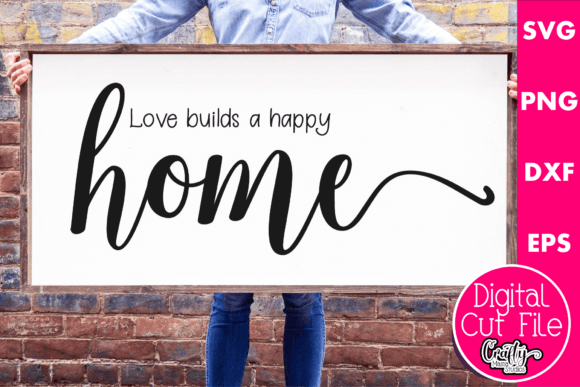
The design reads like a warm, heartfelt message right from the start. It’s clean, balanced, and has a subtle farmhouse charm that makes it feel both modern and nostalgic. The text is arranged in a soft, flowing script style that gives it personality without being too fussy. This kind of layout naturally lends itself to home décor items, personalized gifts, or even custom apparel. As someone who works with handmade products, I appreciate how the design communicates warmth and intentionality.
What stood out immediately was the spacing between letters and words. It’s generous enough to avoid feeling cramped, which is especially important when working on fabric with texture or stretch. The visual weight of the script feels light yet expressive—ideal for designs that need to remain legible while still adding character to a piece.
Real-World Application: Where It Shines
I’ve used similar embroidery files for tote bags, sweatshirts, and aprons, and this one holds up exceptionally well in those contexts. For instance, when I tested it on a 14" x 10" hoop for a custom embroidered tote bag, the message felt perfectly centered and proportioned. The combination of satin stitch and fill stitch created a smooth, polished finish that elevated the product into something customers would truly treasure as a personalized gift.
This design also has great potential for nursery decor or baby-related items. The gentle tone of the font and the overall layout make it suitable for softer, more delicate fabrics often used in baby clothes or accessories. That said, I’d recommend using a white or pastel background fabric to let the message stand out clearly.
Another strong use case is holiday gifts and home décor. Whether stitched onto a pillow cover, kitchen towel, or decorative sign, the phrase brings a cozy, welcoming vibe that aligns well with seasonal themes. Its adaptability also means it can be reimagined with different color schemes or layered with small running stitch accents to match your brand aesthetic.
Where to Use with Caution
While Love Builds a Happy Home is a solid choice for many projects, there are a few areas where care is needed. If you're working with small hoop sizes, the design might feel a bit overwhelmed. The phrase is long enough that reducing it significantly could compromise readability and detail, especially if you’re using intricate fonts or decorative elements.
Textured fabrics such as canvas or flannel can add challenges. The fine lines and curves of the script may lose clarity if the fabric is too thick or uneven. In these cases, adjusting the stitch density or opting for a simpler color palette (like two-tone instead of full-color) can help maintain the design's integrity.
Also, consider the fabric’s durability. On items that will see frequent washing—think tea towels or baby clothes—this design could benefit from extra stabilizer or a heavier-weight backing to prevent distortion over time. While the SVG format offers flexibility, always test it on a scrap fabric first to ensure it performs well under your specific conditions.
Design Notes for Embroidery Professionals
- Test on scrap fabric before committing to a final project. Especially for high-volume or commercial embroidery, consistency is key.
- Check thread color contrast against your fabric. Darker threads on dark backgrounds can become muddied; lighter tones tend to highlight the design better.
- Review stitch density. Dense fill areas may require less tension or a finer needle to avoid puckering, particularly on thin or stretchy materials.
- Confirm the recommended hoop size based on your machine and fabric type. Some machines have limitations when it comes to large or complex designs.
- Inspect small details. If the design includes tiny lettering or intricate flourishes, ensure they translate well after stitching. Not all machines or needles handle fine details equally.
- Use proper stabilizer. Especially for lightweight or stretchy fabrics, a tear-away or cut-away stabilizer can make all the difference in stitch quality.
- Consider creating black-and-white mockups to assess how the design will look without color influence. This helps visualize contrast and balance more accurately.
Customer Reactions and Market Appeal
In my own craft business, I’ve found that phrases like this resonate deeply with customers looking for meaningful, sentimental custom apparel or home goods. People love the idea of gifting something that represents family, love, and comfort. Whether it’s a wedding gift, a housewarming present, or simply a personal keepsake, this design adds emotional value to any finished product.
From a branding perspective, it’s excellent for boutique shops or Etsy sellers aiming to build a cohesive line of design assets. You can pair it with other related phrases or motifs to create a collection that feels curated and intentional. However, if you plan to use it in a commercial setting, remember to confirm licensing terms before selling the final item or offering the digital embroidery file for resale.
Its versatility doesn’t mean it should be used everywhere. I’ve seen similar quotes fail on curved surfaces like caps or hats due to distortion during resizing. Stick to flat or gently curved areas for best results. Also, watch out for dense stitch areas—over-stitching can lead to stiffness or pilling, especially on garments made from natural fibers.
Enhancing Visual Appeal and Stitch Clarity
One of the things I admire about this design is how it balances simplicity with elegance. The script isn’t overly ornate, which makes it easier to stitch cleanly. Still, it carries enough character to feel special. When paired with the right thread colors and a minimalist layout, it becomes a standout feature on almost any product.
For commercial embroidery or mass-produced items, this design maintains a professional appearance. It doesn’t scream “cheap,” nor does it come off as too formal. That middle-ground appeal is exactly what you want in a craft product meant for retail or gifting.
When considering product value, this design elevates the perceived worth of the item it’s applied to. A plain tote bag suddenly feels like a thoughtful gift. A basic sweatshirt transforms into a statement piece. And that’s not just about the message—it’s about how the design looks after being stitched and how it enhances the overall presentation.
Final Thoughts for Creative Makers
If you’re an embroidery designer, Etsy seller, or anyone involved in the crafts industry, Love Builds a Happy Home is a valuable addition to your design library. It’s a machine embroidery design that tells a story, builds emotional connection, and looks great when executed properly.
But don’t take it for granted. Treat it like any professional embroidery project: test it thoroughly, understand the fabric and machine limitations, and ensure every detail aligns with your brand or customer expectations. With that mindset, this design can enhance your handmade shop offerings and contribute to a stronger sense of brand consistency.
So go ahead—add it to your next batch of design files, whether you’re making a holiday gift, updating your printable mockup templates, or preparing a new line of farmhouse-style décor. Just remember to stitch smart and stay true to the practical side of your craft.