First I Drink the Coffee Then I Do SVG Review
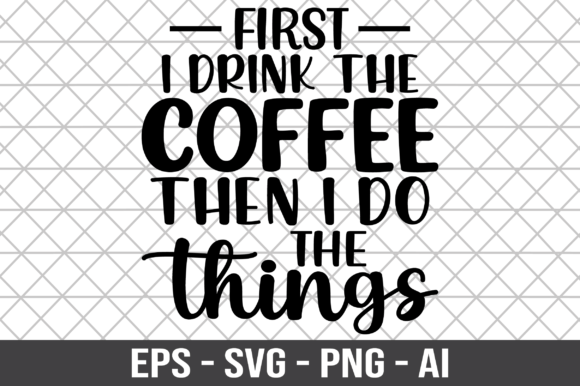
As a seasoned embroidery designer and product reviewer, I’ve tested countless digital design files over the years. When I first saw First I Drink the Coffee then I Do SVG, it struck me as a thoughtful piece with potential for a range of creative projects. The phrase itself—“First I drink the coffee, then I do SVG”—is catchy and relatable, especially for crafters who start their day with a warm cup before diving into their stitching. That kind of personality can translate well in the right application.
First Impressions: Mood and Design Aesthetic
The machine embroidery design feels casual yet elegant. It’s got that cozy morning vibe that makes it ideal for personal or lifestyle-based items. The layout is balanced, with clear typography that suggests it was created with readability in mind. The use of vector elements gives it a clean, modern edge while maintaining the warmth of hand-lettered fonts. There are no overly intricate patterns to distract from the message, which helps the design stay focused and legible after stitching.
From an artistic standpoint, the theme works well on soft goods like sweatshirts, tote bags, and even aprons. It’s not too bold, so it won’t overwhelm a garment or fabric item, but it also has enough character to stand out in a handmade collection. The transparent PNG preview included in the package gives a good idea of how the text will sit on different surfaces, and the scalable nature of SVG means you can adapt it for both large and small formats without losing quality.
Where This Embroidery File Shines
- Custom Apparel: This design fits beautifully on sweatshirts and t-shirts. The simplicity of the font ensures it remains legible even when stitched in a single color or with minimal shading.
- Tote Bag Projects: As someone who often creates tote bag designs, I appreciate how this file could work as a subtle branding element or a fun personalization. It reads well from a distance and adds a touch of humor without being too loud.
- Baby Clothes and Gifts: While the design doesn’t scream “baby,” its soft curves and approachable style make it suitable for gentle customization on onesies or baby sweaters if paired with pastel thread colors.
- Holiday and Gift Items: For holiday gifts or personalized presents, this design brings a sense of charm and wit. Think embroidered mugs, tea towels, or decorative patches attached to gift bags.
- Etsy Listings and Boutique Branding: If you're selling handmade products online or at local markets, this design could be a great addition to your line of personalized gifts or branded apparel. Its friendly tone aligns well with lifestyle-oriented shops.
Real-World Stitching Performance
In real-life embroidery situations, the performance of First I Drink the Coffee then I Do SVG depends heavily on the context in which it’s used. Let’s say I’m preparing a custom embroidered sweatshirt for a client. The first thing I’d do is test the design on scrap fabric using my usual thread colors. I want to see how the stitch density affects the overall look and whether the spacing between letters holds up under tension.
One thing I noticed immediately is that the design isn't overly complex. It uses mostly satin stitch and some running stitch outlines, which is great because it reduces the risk of tangling or puckering during machine embroidery. That said, the detail level still allows for some visual interest depending on the thread choice and background fabric.
I would recommend using a light-colored fabric for maximum visibility, such as white or cream cotton blends. On darker backgrounds, you’ll need high-contrast thread colors to ensure the design stands out. The transparent PNG provided is helpful here—it lets you visualize the placement and color contrast before cutting any fabric.
Projects Where You Should Use Caution
- Small Hoop Sizes: Because the design is somewhat lengthy, resizing it for smaller hoops may lead to loss of clarity. Always check the final size against the recommended hoop dimensions (if available) and consider breaking the design into parts for tiny applications.
- Textured Fabrics: If you're working with canvas, denim, or flannel, you might find the satin stitches don’t lay as smoothly. Additional stabilizer or adjusting stitch density can help, but results may vary.
- Stretchy or Thin Materials: Stretchy fabrics like spandex blends or thin knits require extra care. Without proper stabilizer, the text could distort during stitching, especially in the corners where tension changes occur.
- Curved Surfaces: On caps or curved patches, the alignment of the text might need adjustment. SVG files are flexible, but you’ll have to manually tweak them for best results.
- Frequent Washing: If the design is going on something like a kitchen towel or apron that gets washed often, make sure you’re using quality threads and proper backing to prevent fraying or fading over time.
Design Impact and Marketability
This is one of those embroidery project assets that can elevate the visual appeal of a product subtly. It's not flashy, but it speaks volumes about the maker's personality and attention to detail. For craft business owners and Etsy sellers, that kind of emotional resonance can increase buyer engagement and customer trust.
When applied to a tote bag or a pillow cover, the design gives off a relaxed, creative vibe that many customers identify with. It adds value by making the finished product feel intentional and expressive. In a boutique setting, it could serve as a signature motif or part of a seasonal collection, especially around holidays or cozy autumn themes.
What I love most is that it maintains its charm across multiple formats. Whether you're using it as an applique design or incorporating it into a larger graphic for a printable mockup, the scalability of the SVG format keeps it crisp and professional-looking.
Designer Notes and Best Practices
Before using First I Drink the Coffee then I Do SVG in production or on client projects, I always follow these steps:
- Test the design on scrap fabric to assess how it looks after stitching.
- Check thread color contrast against the intended fabric background. Use black and white mockups if unsure.
- Review stitch density and adjust if needed for your specific machine and fabric type.
- Confirm the required hoop size for your design. If not specified in the product description, test it yourself.
- Inspect small details like letter spacing and corner joins to ensure they hold up post-stitching.
- Use proper stabilizer, especially for stretchy or delicate materials.
- If planning to sell finished items or digital products, verify the licensing terms apply to commercial use. Since the product description doesn’t specify, double-check with the seller before going live.
These steps are essential for ensuring your embroidery file performs well and meets the expectations of your audience—whether they're friends picking up a personalized gift or customers browsing a small shop product lineup.
Final Thoughts for Real Projects
First I Drink the Coffee then I Do SVG is a solid addition to your design library, especially if you're aiming for a laid-back, creative aesthetic. It’s versatile enough for both personal and commercial use, but as with any digital embroidery file, success hinges on thoughtful preparation and testing.
For hobbyists and creative entrepreneurs, this design is a nice way to add character to everyday items. For professionals, it can be a valuable asset in building brand consistency across design assets. Just remember to tailor the application to the fabric and the product type, and you’ll be rewarded with a polished, recognizable finished product.
So next time you’re sipping your morning brew and thinking about your next project, maybe this design will inspire you. After all, who wouldn’t want to start their day with a little stitch?